When you buy through links on our articles, Future and its syndication partners may earn a commission.

A nebula takes on the appearance of a rampaging lion in a new deep space vista captured by astrophotographer Ronald Brecher under a near-full moon from his home in Ontario, Canada, in October earlier this year.
ZWO ASI533MC Pro

Want to capture a nebula shining thousands of light-years from Earth? The ZWO ASI533MC Pro camera is the best dedicated astro camera out there, in our opinion. Check out our ZWO ASI533MC Pro review for a more in-depth look.
The evocative scene captures the swirling gas of the nebula Sh2-132, known as the Lion Nebula, located around 10,000 light-years from Earth in the constellation Cepheus, which you can find high above the northern horizon in the hours following sunset in November.
Within the nebula are two gigantic stars, each of which boasts a mass equivalent to 20 suns, the radiation from which has ionized and sculpted the vast cloud of interstellar dust and gas, causing it to glow with its own eerie light.
It took Brecher a little over 35 hours to capture the nebula using his Sky-Watcher Esprit 70 EDX refractor and astronomy camera, along with a host of peripherals and astronomy filters, each designed to capture a specific part of the light spectrum
Brecher used the same observational data to create two different, visually striking versions scene. For one image, he opted to use the Hubble palette in the post-processing stage, which assigned a color to each of the specific wavelength bands of light collected by the astronomy filters to recreate the iconic look of images produced by the space telescope. The Foraxx palette, meanwhile, adopts a more dynamic approach to interpreting and combining the light data, producing a richer, more dramatic color rendering
Want to capture breathtaking images of the night sky for yourself? Then be sure to check out our roundups of the best cameras and lenses for astrophotography, along with our guide to capturing the night sky with a DSLR.
Editor's Note: If you would like to share your astrophotography with Space.com's readers, then please send your photo(s), comments, and your name and location to [email protected].
latest_posts
- 1
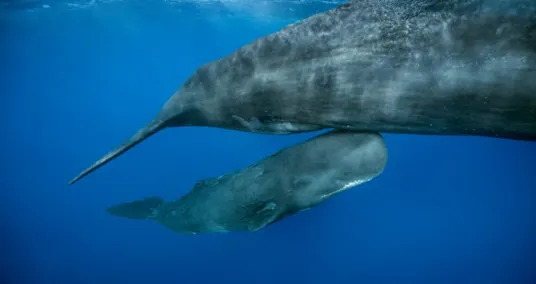
 ‘And then we saw the little head.’ Scientists witness rare sperm whale birth
 - 2Was it a stone tool or just a rock? An archaeologist explains how scientists can tell the difference
- 3Chicago reports first rabies-positive dog in 61 years. What we know.
- 4Top 5 Top of the line Books of the Year
- 5Netflix is releasing a documentary on Elizabeth Smart. What to know about her kidnapping, rescue and where she is now.


- King Charles III says he is reducing cancer treatment schedule in 2026
- Flying without a Real ID? That'll soon cost you $45, TSA says.
- Strength training is crucial after menopause. How to make the most of your workouts
- Factbox-Artemis II crew includes first woman, Black astronaut and Canadian ever flown to moon
- Astronauts' brains change shape and position after time in space, study finds
- Figure out How to Keep up with Oral Wellbeing During Pregnancy
- Bolsonaro discharged from hospital and placed under house arrest
- Instructions to Decide whether a Fender bender Legal counselor is Required for Your Particular Case
- Collierville residents with no power as temperatures plunge